
How to Create a Smooth Summer Routine for Your Children
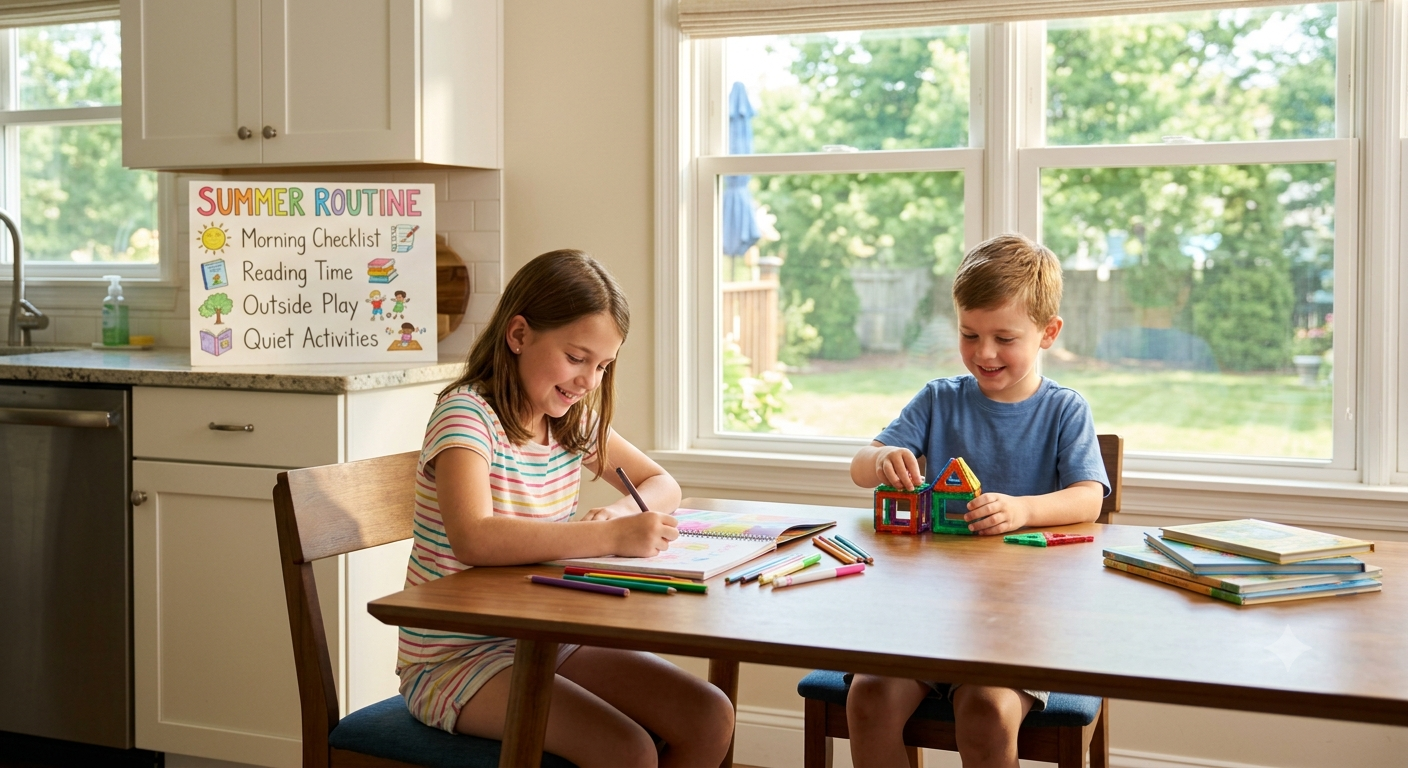
Summer is an exciting time for children. School is out, the days are longer, and families often have more opportunities to spend time together. However, without the structure of the school year, it can also become a season of inconsistent schedules, excessive screen time, and daily stress for parents.
Creating a consistent summer routine helps children feel secure, encourages healthy habits, and makes everyday life more enjoyable for the entire family. Whether your children are spending the summer at home, attending camps, or working with a Summer Nanny, a well-planned routine can make all the difference.
Why Summer Routines Matter
Children thrive on consistency. During the school year, they follow predictable schedules for waking up, eating meals, attending classes, completing homework, and going to bed.
When summer arrives, those routines often disappear overnight.
While flexibility is one of the joys of summer, maintaining some structure helps children:
Feel more secure
Improve their behavior
Stay physically active
Maintain healthy sleep habits
Reduce boredom
Transition back to school more easily
A routine doesn't have to be rigid—it simply provides a framework that helps each day run more smoothly.
Start With a Consistent Morning Routine
The way a child starts the day often sets the tone for everything that follows.
Instead of allowing children to sleep late every morning, aim for a consistent wake-up time that is only slightly different from their school schedule.
A healthy morning routine may include:
Getting dressed
Eating a nutritious breakfast
Brushing teeth
Making the bed
Reading or quiet play
Reviewing the day's activities
Beginning each day with familiar habits helps children feel prepared and energized.
Balance Fun With Learning
Summer is meant to be enjoyable, but it also presents opportunities for continued learning.
You don't need formal lessons every day. Instead, look for activities that naturally encourage curiosity and creativity.
Ideas include:
Visiting local museums
Reading together
Nature walks
Science experiments
Arts and crafts
Cooking simple recipes
Educational games
Journaling
These activities keep young minds engaged while allowing children to enjoy their break from school.
Schedule Time for Outdoor Play
Fresh air and physical activity are essential parts of a healthy summer routine.
Whenever possible, encourage children to spend time outside each day.
Activities may include:
Playing at the park
Riding bicycles
Swimming
Playing sports
Gardening
Nature scavenger hunts
Family walks
Outdoor play supports physical development while reducing screen time.
Limit Screen Time
Technology has its place, but without boundaries, screens can quickly dominate summer days.
Establish clear expectations by creating designated times for television, tablets, video games, and phones.
Encourage children to balance screen time with:
Reading
Outdoor activities
Creative projects
Family games
Independent play
Children often become more engaged when technology is only one part of their daily routine rather than the focus of it.
Include Quiet Time
Summer schedules don't need to be packed with activities from morning until night.
Quiet time allows children to rest, recharge, and enjoy independent activities.
Depending on their age, this may include:
Reading books
Drawing
Building with blocks
Listening to music
Puzzles
Rest time for younger children
A quieter part of the day also gives parents and caregivers an opportunity to reset before afternoon activities begin.
Prepare for Camps and Activities
Many families juggle sports, camps, lessons, and vacations throughout the summer.
Using a family calendar helps everyone stay organized.
Consider preparing:
Weekly schedules
Camp supplies
Lunches
Activity bags
Transportation plans
Planning ahead reduces last-minute stress and helps children know what to expect each day.
How a Summer Nanny Can Help
For busy families, a Summer Nanny provides more than childcare—they help create consistency during months when routines often become unpredictable.
A Summer Nanny can assist with:
Creating daily schedules
Planning educational activities
Preparing healthy meals and snacks
Transporting children to camps and appointments
Encouraging outdoor play
Supervising swimming and recreational activities
Supporting reading and summer learning
Helping maintain household routines
Having one trusted caregiver throughout the summer provides children with stability while giving parents greater peace of mind.
Be Flexible When Plans Change
Even the best routines will occasionally need to adapt.
Family vacations, special events, unexpected weather, or changing work schedules may require adjustments.
Rather than aiming for perfection, focus on maintaining the habits that matter most—healthy meals, consistent sleep, active play, and quality family time.
Flexibility allows families to enjoy the spontaneity of summer without losing the benefits of a structured routine.
Enjoy the Season Together
Summer offers countless opportunities to create lasting family memories.
Whether you're spending weekends at the beach, exploring local attractions, enjoying backyard barbecues, or simply sharing dinner together, the routines you establish help create a sense of stability while making room for fun and adventure.
With thoughtful planning and the right support, summer can become one of the most rewarding seasons for both parents and children.
If you're looking for reliable childcare during the school break, A Mother's Prayer Placement can connect you with experienced Summer Nannies who provide engaging, dependable care tailored to your family's schedule and lifestyle.
Related Services
Summer Nanny Services
Full-Time Nanny Placement
Part-Time Nanny Placement
Babysitting Services
